

Introduction
Navigating the world of dirt compactor rentals can be a complex endeavor, especially for those in construction and landscaping. With a variety of equipment options available, each designed to tackle different project demands, understanding how to choose the right machine is crucial. As rental costs and terms vary widely, making informed decisions can significantly impact both project efficiency and budget management.
In addition, renters face challenges such as equipment availability during peak seasons and the intricacies of rental agreements. By addressing these factors, individuals can optimize their rental experience and ensure the success of their projects.
Understanding Dirt Compactor Rentals: An Introduction
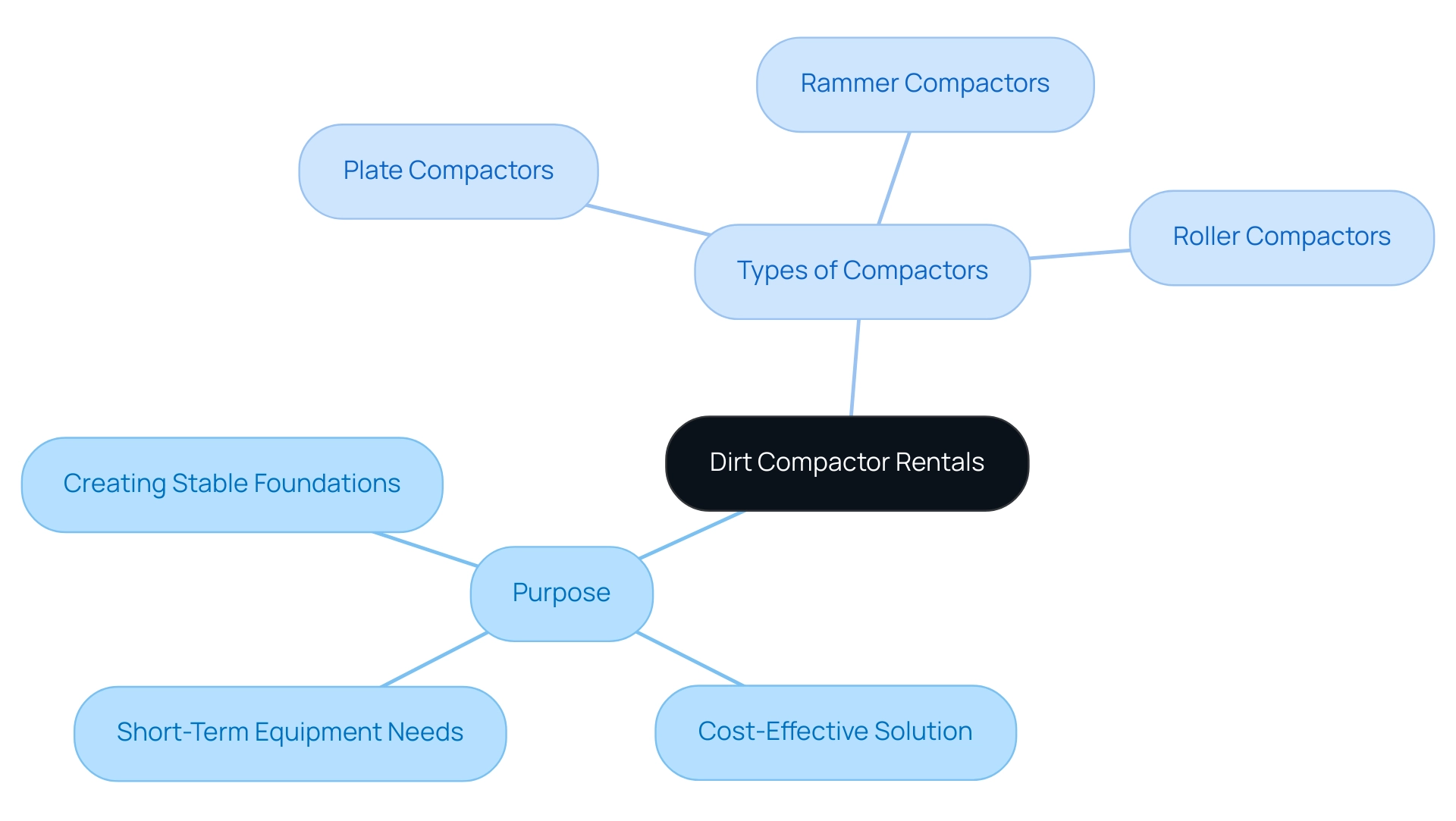
Dirt compactor rental refers to the service of renting heavy equipment specifically designed to compact soil, gravel, or asphalt in construction and landscaping tasks. These machines are essential for creating a stable foundation for roads, buildings, and other structures. The most common types of dirt compactors include:
- Plate compactors
- Rammer compactors
- Roller compactors
Each serving different purposes depending on the project's scale and requirements.
Renting a dirt compactor rental is often a cost-effective solution for contractors and DIY enthusiasts who need the equipment for a short duration without the burden of ownership.
Key Considerations for Renting a Dirt Compactor
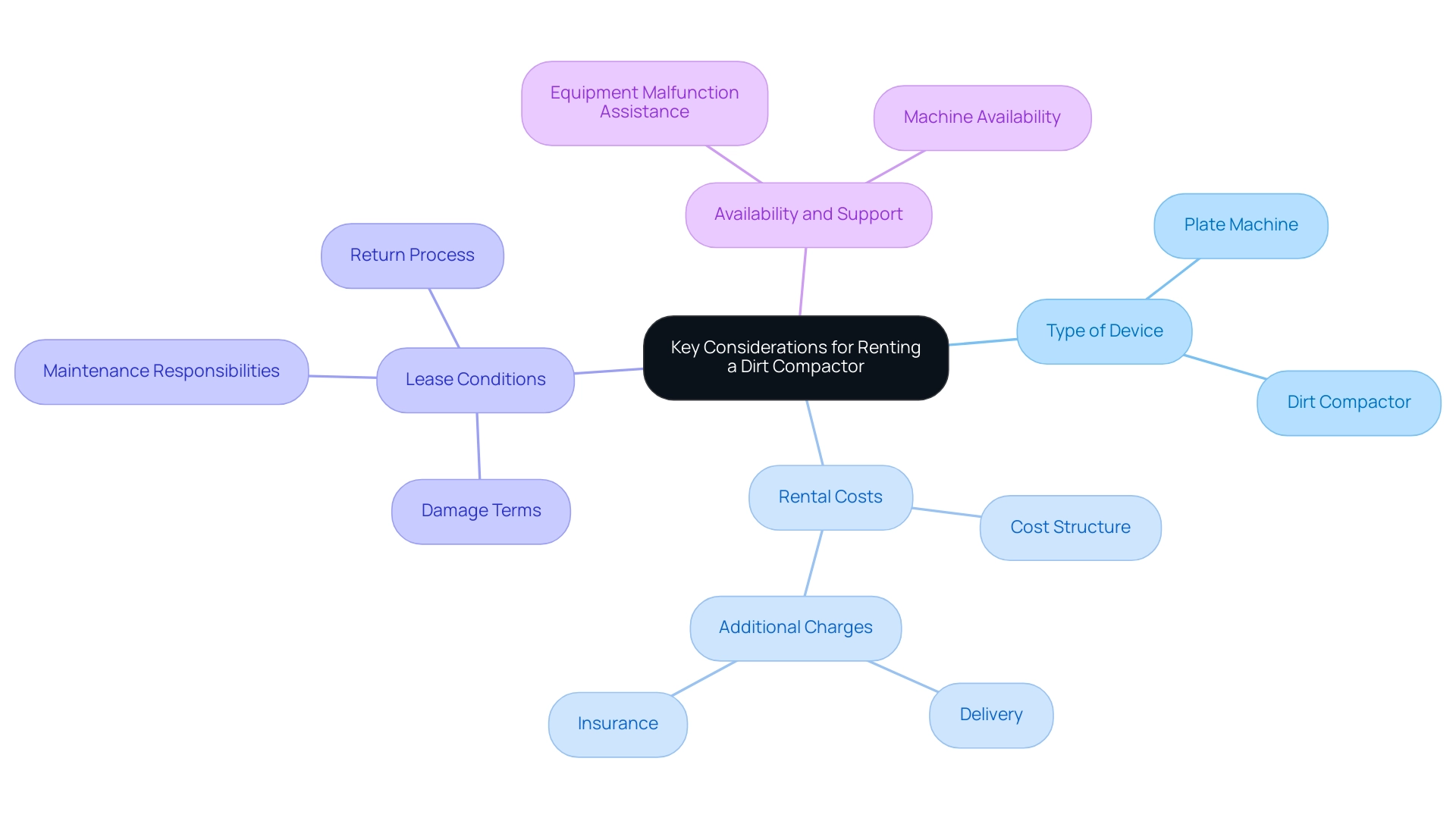
When renting a dirt machine, several key considerations should be taken into account:
- Type of Device: Based on the task, the selection of the machine will differ. For smaller, confined spaces, a plate machine might be ideal, while larger projects may require a dirt compactor rental to achieve efficient soil compression.
- Rental Costs: Understanding the cost structure is vital. Lease costs for a dirt compactor rental can vary depending on the type of compactor, duration of the lease, and additional charges such as delivery or insurance.
- Lease Conditions: Review the lease agreement carefully. Pay attention to the terms regarding damage, maintenance responsibilities, and the process for returning the items.
- Availability and Support: Ensure the rental company provides assistance in case of equipment malfunction and confirm the availability of the desired machine.
By considering these factors, renters can make informed choices about dirt compactor rental that align with their requirements and budget constraints.
Benefits of Renting a Dirt Compactor
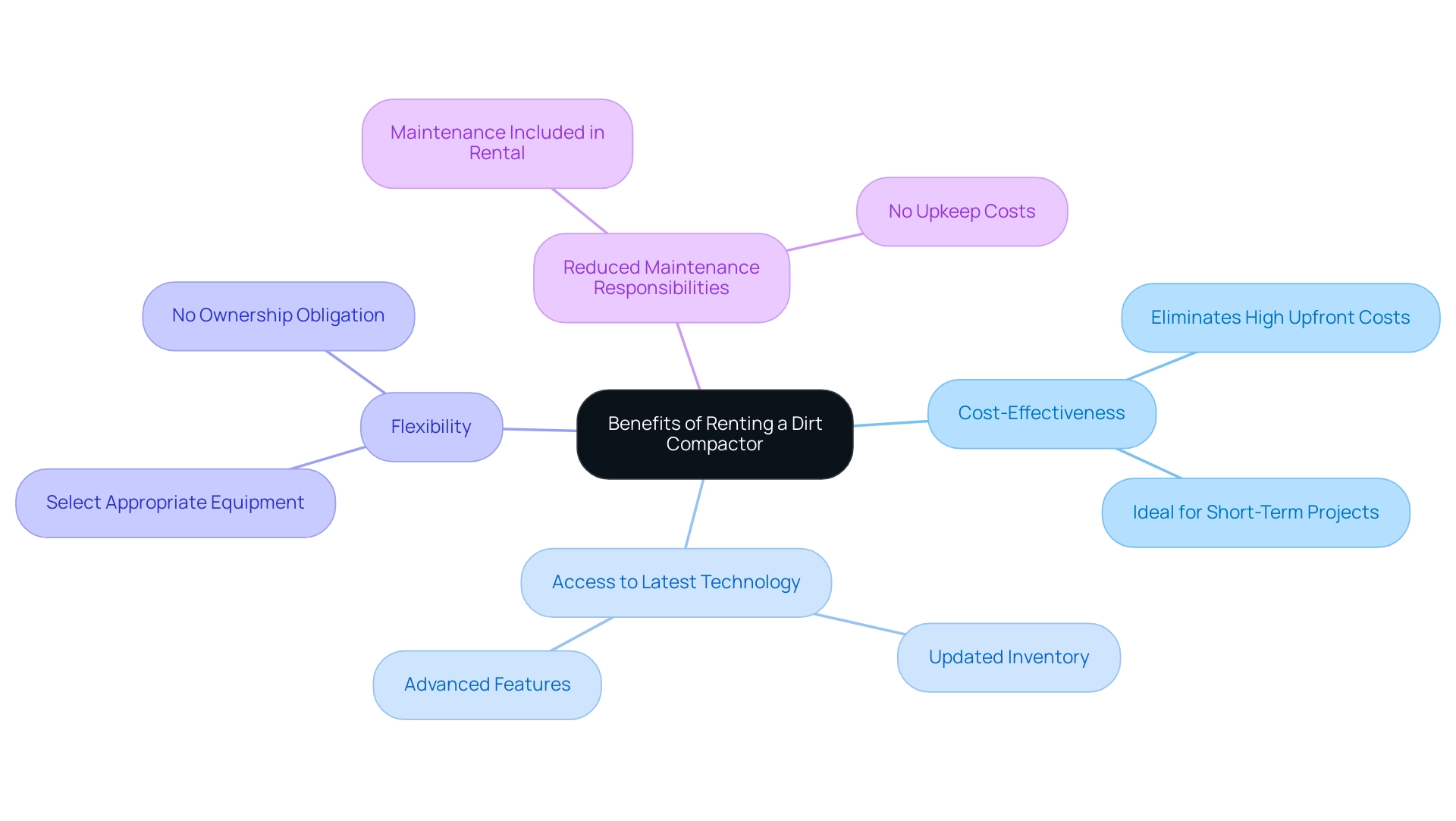
A dirt compactor rental offers several benefits:
- Cost-Effectiveness: For short-term endeavors, renting eliminates the high upfront costs associated with acquiring heavy machinery.
- Access to Latest Technology: Rental companies often update their inventory, allowing renters to use the latest models equipped with advanced features.
- Flexibility: Renting offers the adaptability to select the appropriate equipment for each task without the obligation of ownership.
- Reduced Maintenance Responsibilities: Rental agreements typically include maintenance, relieving renters of the burden of upkeep and repair costs.
These benefits make dirt compactor rental an appealing option for many construction professionals and DIY enthusiasts.
Common Challenges in Dirt Compactor Rentals
Renting a dirt compactor can significantly enhance efficiency, yet it comes with its own set of challenges that managers must navigate:
-
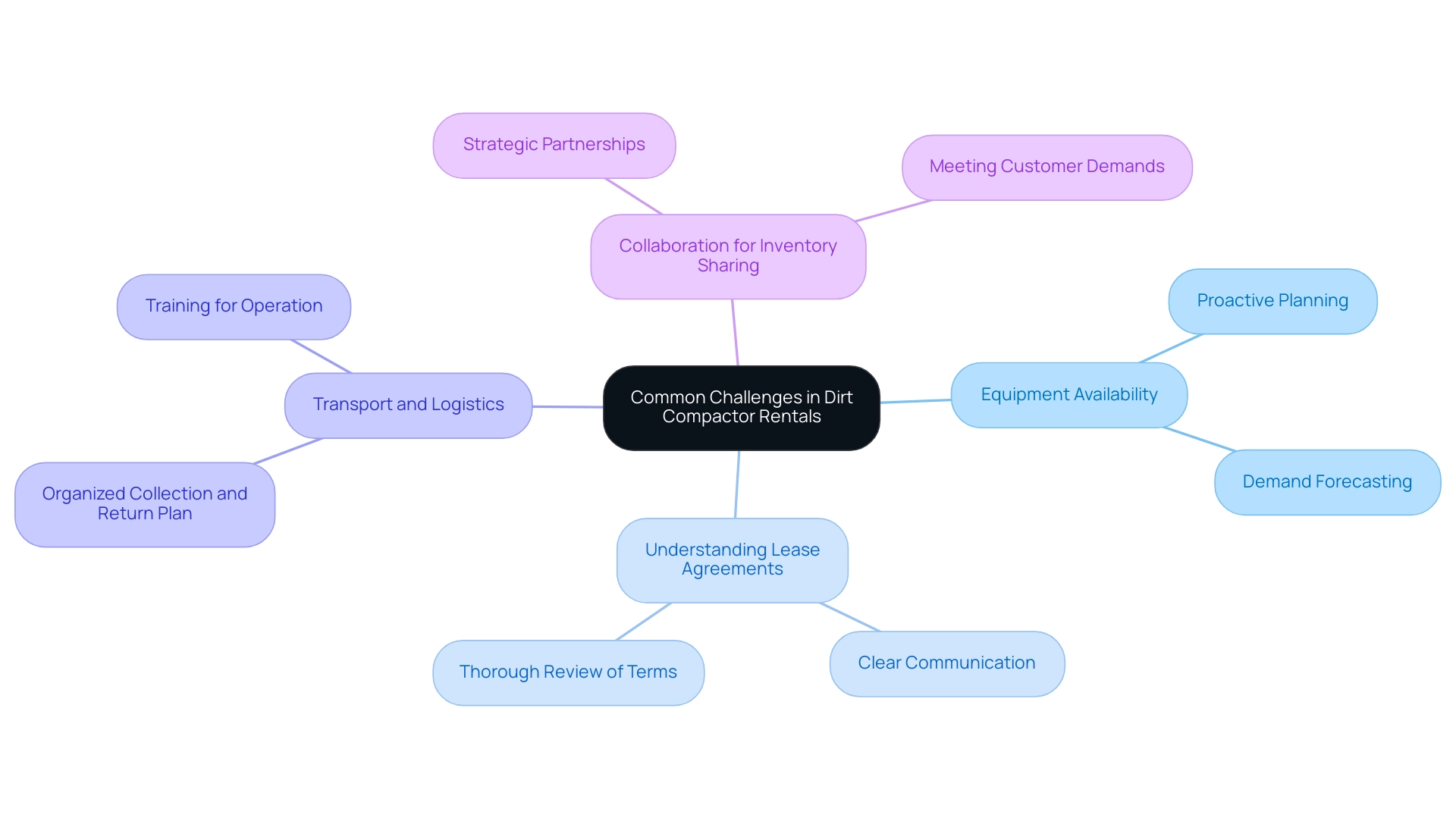
Equipment Availability: The demand for dirt compactors often spikes during peak construction seasons, leading to limited availability. To combat this, proactive planning is essential. By utilizing demand forecasting and securing leases in advance, project managers can effectively manage seasonal demand and ensure access to the necessary equipment when it’s needed most.
- Understanding Lease Agreements: Misinterpretations of lease terms can result in unexpected fees and complications. Clear communication with leasing providers is crucial. Always take the time to thoroughly review and discuss rental agreements to avoid misunderstandings.
-
Transport and Logistics: Arranging transport for heavy machinery, such as dirt compactor rental, can pose logistical challenges. It’s essential to have a well-organized plan for both collecting and returning the gear, which helps to avoid delays and extra expenses. Proficient operation of a dirt compactor rental requires specific skills. Tenants must either make sure they are sufficiently trained or ask for help from staff to comprehend the apparatus’s functionality. This not only promotes safety but also enhances efficiency of the work.
- Collaboration for Inventory Sharing: Collaborating with other businesses for inventory sharing during peak periods can effectively meet customer demands without necessitating significant upfront investments. This strategic approach can help alleviate availability issues and improve service delivery.
By recognizing these typical challenges and applying strategic solutions, project managers can optimize their asset leasing experience, ultimately leading to successful project outcomes. Nathan Crossley articulates this approach well, noting,
By addressing these challenges with targeted solutions, leasing businesses can improve their operations, enhance customer satisfaction, and maintain a competitive edge.
Additionally, insights from the case study titled 'Rental Management vs. Tenant Placement' can provide valuable guidance in making informed decisions regarding equipment rentals, further enhancing the depth of this discussion.
Conclusion
Renting a dirt compactor is a strategic decision that can greatly influence the success of construction and landscaping projects. Understanding the different types of compactors available, from plate to roller compactors, allows renters to select the right equipment tailored to their specific needs. By considering factors such as rental costs, terms, and equipment availability, individuals can navigate the complexities of the rental process more effectively.
The benefits of renting, including cost savings, access to the latest technology, and reduced maintenance responsibilities, make it an appealing option for both contractors and DIY enthusiasts. However, challenges such as equipment availability during peak seasons, understanding rental agreements, and ensuring proper operational knowledge must not be overlooked. By proactively addressing these challenges through careful planning and clear communication, project managers can optimize their rental experience and enhance project efficiency.
In conclusion, informed decision-making is essential when navigating dirt compactor rentals. By leveraging the insights provided and implementing strategic solutions, renters can not only overcome obstacles but also maximize the benefits of rental equipment. This proactive approach ultimately leads to successful project outcomes and efficient resource management, ensuring that every project runs smoothly and stays within budget.
Frequently Asked Questions
What is dirt compactor rental?
Dirt compactor rental refers to the service of renting heavy equipment designed to compact soil, gravel, or asphalt for construction and landscaping tasks, which is essential for creating stable foundations for roads, buildings, and other structures.
What are the common types of dirt compactors available for rent?
The most common types of dirt compactors include plate compactors, rammer compactors, and roller compactors, each serving different purposes based on the project's scale and requirements.
Why is renting a dirt compactor often considered cost-effective?
Renting a dirt compactor is cost-effective for contractors and DIY enthusiasts who need the equipment for a short duration without the burden of ownership, eliminating high upfront costs associated with purchasing heavy machinery.
What key considerations should be taken into account when renting a dirt compactor?
Key considerations include the type of device needed for the task, understanding rental costs, reviewing lease conditions, and ensuring availability and support from the rental company.
What are the benefits of renting a dirt compactor?
Benefits of renting a dirt compactor include cost-effectiveness, access to the latest technology, flexibility in choosing equipment, and reduced maintenance responsibilities, as rental agreements typically include maintenance.
What challenges might arise when renting a dirt compactor?
Challenges include equipment availability during peak construction seasons, understanding lease agreements to avoid unexpected fees, transport and logistics issues, and the need for proficient operation of the equipment.
How can project managers address the challenges of renting a dirt compactor?
Project managers can address challenges by proactively planning and securing leases in advance, clearly communicating with leasing providers, organizing transport logistics, ensuring proper training for operators, and collaborating with other businesses for inventory sharing during peak periods.
List of Sources
- Common Challenges in Dirt Compactor Rentals
- linkedin.com (https://linkedin.com/posts/mdisser_10-food-for-thought-quotes-on-equipment-activity-7229958692152971265-BVYe)
- booqable.com (https://booqable.com/blog/biggest-rental-challenges)


