
Key Highlights
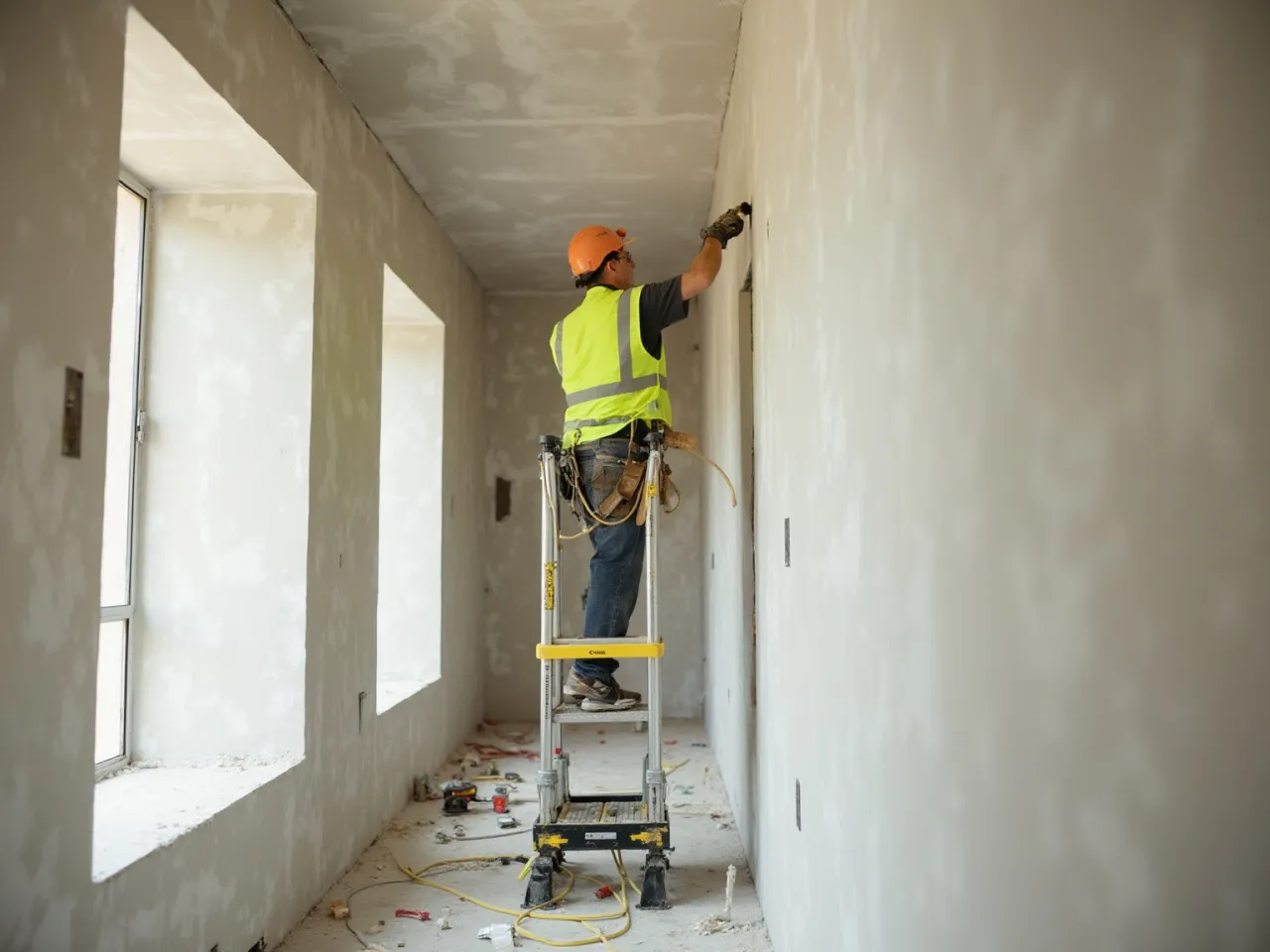
- Drywall stilts are essential tools for construction, allowing workers to access high areas efficiently without scaffolding.
- Improper foot placement on stilts can cause postural instability, highlighting the need for proper training.
- Approximately 9,800 job openings for wallboard installers are projected annually, indicating a demand for skilled workers familiar with drywall stilts.
- Elevated platforms enhance mobility and reduce fall risks compared to traditional ladders, improving overall safety.
- Studies show that using drywall stilts can minimize musculoskeletal injuries by promoting better posture during work.
- When renting drywall stilts, project managers should evaluate dimensions, weight limits, and leasing terms to ensure suitability for tasks.
- Comprehensive training on proper use and safety inspections of drywall stilts is crucial for preventing accidents on the job site.
- Establishing clear communication and encouraging regular breaks can help maintain safety and reduce fatigue among workers.
- Challenges in drywall stilt rentals include equipment availability and sizing discrepancies; strong relationships with rental companies can mitigate these issues.
Introduction
In the construction industry, efficiency and safety are paramount, particularly when working at heights. Enter drywall stilts—a transformative tool designed to elevate workers and streamline tasks like drywall installation, painting, and ceiling work. These stilts not only enhance mobility and reduce the risks associated with traditional ladders but also promote better ergonomics, ultimately leading to improved productivity on the job site.
However, despite their advantages, the proper use of drywall stilts requires careful consideration of:
- Training
- Equipment selection
- Safety protocols
As the demand for skilled drywall installers continues to rise, understanding the intricacies of drywall stilts becomes essential for project managers aiming to optimize their teams' performance while minimizing injury risks.
Understanding Drywall Stilts: A Key Tool for Construction Projects
Drywall stilts serve as essential tools for construction workers, designed to elevate them and facilitate access to higher areas without relying on scaffolding or ladders. Their application is particularly advantageous in drywall installation, painting, and ceiling work, where efficiency is paramount. By enabling workers to traverse expansive areas while maintaining a secure working posture, drywall stilts significantly decrease the time required to complete height-dependent tasks. However, recent observations among construction workers indicate that improper foot placements can lead to postural instability, underscoring the importance of proper training and equipment usage. Furthermore, studies on different touchpad positions reveal that variations, such as bottom center and bottom right placements, affect muscle activity, which is crucial for understanding the ergonomics of using drywall stilts. With approximately 9,800 job openings projected annually for drywall installers, ceiling tile installers, and tapers over the next decade, the demand for skilled practitioners who are adept at using such tools is evident. Grace Lemasters highlights the relevance of addressing work-related musculoskeletal disorders, stating that understanding the ergonomics of tools like drywall stilts can mitigate risks. Additionally, most drywall installers learn their trade through on-the-job training, with opportunities for career advancement available through apprenticeships and union membership. Therefore, project managers focused on optimizing their team's efficiency and safety must prioritize the proper use and training surrounding drywall stilts, ensuring workers are equipped for success on construction sites.
The Advantages of Using Drywall Stilts in Construction
Utilizing drywall stilts in construction presents a multitude of advantages that enhance both efficiency and safety on job sites. These stilts offer improved mobility and flexibility, enabling workers to move freely without the frequent repositioning required by ladders or scaffolding. This flexibility can translate into significant time savings, particularly in expansive projects where accessibility is crucial. Moreover, drywall stilts contribute to enhanced safety by minimizing the risk of falls often associated with traditional ladder use. By promoting a stable center of gravity and allowing for hands-free operation, workers can execute tasks more securely and effectively.\n\nRecent studies underscore the ergonomic benefits of drywall stilts, highlighting their design in reducing bodily strain. For instance, a study assessing ergonomic exposures for drywall workers found that awkward body postures and heavy lifting are common risk factors for musculoskeletal injuries. The study reported that the left shoulder moment decreased from 556.4 N-m at baseline to 359.1 N-m at the intervention phase when using drywall stilts. These findings suggest that adopting drywall stilts can mitigate these risks, promoting better posture and reducing fatigue during extended work hours.\n\nConstruction experts advocate for the use of drywall stilts, emphasizing their role in maintaining safety while also improving productivity. As OSHA emphasizes, > Choose the appropriate type and height of ladder for the job <, the choice of drywall stilts aligns with this guidance, positioning them as a safer alternative in many scenarios. Furthermore, MCR Safety provides essential PPE and resources for construction professionals, underscoring the need for comprehensive safety measures in conjunction with the use of drywall stilts. Overall, the integration of drywall stilts into construction practices not only streamlines work processes but also enhances worker safety and well-being.
Key Considerations When Renting Drywall Stilts
When renting drywall stilts, construction project managers should prioritize several crucial factors to ensure an effective selection. Start by assessing the size and weight capacity of the stilts available for rent. For instance, the Model# I-BMDS1830 has a rating of 4.2, indicating its reliability and performance. It's vital that the chosen stilts accommodate the necessary height for specific tasks, allowing team members to work efficiently and safely. Furthermore, understanding the rental terms is essential—carefully review details such as rental duration, associated costs, and maintenance policies. The total estimated cost to install drywall for 500 square feet ranges between $1,156 and $1,363, which can help project managers budget for both materials and rental equipment effectively. Opting for a reputable rental company that provides well-maintained equipment is key to ensuring both safety and reliability on the job site. Additionally, explore the availability of various styles and brands, as certain models may offer specialized features that align better with your project's requirements. Utilizing tools like Homewyse's customizable estimating app can further aid in this process, allowing project managers to create tailored estimates that incorporate the costs of renting drywall stilts. This thoughtful approach not only enhances operational efficiency but also fosters a culture of safety and professionalism within your team.
Best Practices for Using Drywall Stilts Safely and Effectively
To fully leverage the advantages of drywall stilts while prioritizing safety, construction project managers must adopt several best practices. First and foremost, it is essential to ensure that all team members utilizing stilts receive comprehensive training. This training should cover the proper methods for donning and adjusting the stilts, as well as strategies for navigating various job site conditions safely. A critical step is to conduct thorough safety checks before each use, meticulously inspecting the stilts for any signs of wear or damage that could compromise safety. Workers should be encouraged to maintain a stable stance, avoiding abrupt movements that could lead to loss of balance and potential falls.\n\nIn line with Jason Cring's safety tips, maintaining a clean work area and avoiding carrying sharp objects while using stilts are crucial for minimizing risks. Moreover, establishing clear communication protocols among team members is vital. This ensures that everyone can alert one another to potential hazards and fosters a culture of safety awareness on site. Encouraging regular breaks can significantly reduce fatigue, a key factor in maintaining focus and safe operation. As highlighted in recent safety guidelines, having tools elevated off the ground further minimizes risks associated with tripping and other hazards. \n\nAs Claudia Camargo noted, training workers on the proper use of drywall stilts is essential in preventing injuries, particularly for those performing Highly Repetitive Movements (HRM). Additionally, referencing the case study titled 'Safety Tips for Using Stilts' provides real-world examples of the effectiveness of these recommended practices, reinforcing the importance of preparation and awareness. By implementing these structured safety measures and training requirements, project managers can significantly enhance the safe use of drywall stilts, ensuring a more secure working environment for all involved.
Overcoming Challenges in Drywall Stilt Rentals
Renting drywall stilts can present several challenges for project managers, including equipment availability, sizing discrepancies, and unforeseen costs. A significant issue in this context is the failure to manage and track equipment availability and location, which can hinder project timelines. One effective strategy to mitigate these issues is to cultivate strong relationships with rental companies. Establishing these connections can facilitate timely access to the necessary equipment, especially as the material handling equipment rental sector is projected to grow at a rate of 9.4% from 2024 to 2030. Additionally, performing thorough pre-rental assessments is crucial to ensure that the stilts selected are suitable for the specific requirements of your team. Given the potential for delays, it is wise to secure backup rental options or alternative equipment as contingency plans. Transparency regarding rental costs is equally important; ensuring that your team is informed about potential fees encourages responsible equipment handling and maintenance. As noted by industry leader GoCodes, > We ensure our customers achieve success in their tool management projects every time <, which highlights the value of effective tool tracking and management in enhancing project outcomes. The rising demand for rental opportunities, driven by the high costs of advanced technology systems, further underscores the importance of efficient rental practices. Furthermore, the aerial work platform rental industry, projected to reach $69 billion by 2030, exemplifies the robust market opportunity for rental services, indicating that similar trends may be expected in drywall stilt rentals. By proactively addressing these challenges, project managers can significantly improve the impact of drywall stilt rentals on their projects, navigating common pitfalls in the construction equipment rental landscape.
Conclusion
The integration of drywall stilts into construction practices offers significant benefits, enhancing both efficiency and safety on job sites. By allowing workers to navigate higher areas with improved mobility, drywall stilts reduce the reliance on traditional ladders and scaffolding, ultimately streamlining project timelines. However, the successful utilization of these tools hinges on proper training and adherence to safety protocols, which are essential in mitigating risks associated with improper use.
Key considerations, such as:
- Selecting the right equipment
- Understanding rental terms
- Conducting thorough safety checks
are vital for maximizing the advantages of drywall stilts. Project managers play a crucial role in fostering a culture of safety by ensuring that all team members are well-trained and aware of best practices for using stilts effectively. This proactive approach not only enhances worker safety but also contributes to better overall productivity on construction sites.
As the demand for skilled drywall installers continues to grow, the importance of mastering tools like drywall stilts cannot be overstated. By prioritizing training, safety, and effective rental management, construction professionals can optimize their teams' performance while minimizing injury risks. Embracing these practices will lead to a more efficient, safe, and successful work environment, ultimately benefiting both workers and project outcomes.
Frequently Asked Questions
What are drywall supports and their primary function in construction?
Drywall supports are essential tools designed to elevate construction workers, allowing them to access higher areas without relying on scaffolding or ladders. They are particularly beneficial for tasks like wall installation, painting, and ceiling work, where efficiency is crucial.
How do drywall supports improve efficiency on construction sites?
Drywall supports enhance mobility and flexibility, enabling workers to navigate large spaces without frequently repositioning ladders or scaffolding. This flexibility can lead to significant time savings, especially in expansive projects where accessibility is important.
What safety benefits do elevated platforms provide?
Elevated platforms reduce the risk of falls associated with conventional ladder use by promoting a steady center of gravity and allowing hands-free operation, which enhances safety and efficiency during tasks.
What ergonomic advantages do elevated platforms offer?
Elevated platforms minimize bodily strain by encouraging better posture and reducing tiredness during prolonged work periods. Studies have shown that using these supports can significantly lower the physical strain on workers.
What are the potential risks associated with improper use of drywall supports?
Improper foot placements on drywall supports can lead to postural instability. This highlights the importance of proper training and equipment usage to mitigate the risks of work-related musculoskeletal disorders.
How can training impact the use of drywall supports?
Proper training is essential for ensuring workers are skilled in using drywall supports effectively, reducing the risk of injuries and improving overall safety and efficiency on construction sites.
What is the job market outlook for wallboard installers and related professions?
There are approximately 9,800 job openings projected annually for wallboard installers, ceiling tile installers, and tapers over the next decade, indicating a strong demand for skilled practitioners in this field.
How can construction professionals enhance team effectiveness and security?
Project managers should emphasize the appropriate usage and training related to lifting devices, ensuring that workers are well-prepared for success on construction sites while minimizing risks associated with improper equipment use.
List of Sources
- Understanding Drywall Stilts: A Key Tool for Construction Projects
- researchgate.net (https://researchgate.net/publication/222063824_Assessment_of_perceived_traumatic_injury_hazards_during_drywall_taping_and_sanding)
- bls.gov (https://bls.gov/ooh/construction-and-extraction/drywall-and-ceiling-tile-installers-and-tapers.htm)
- researchgate.net (https://researchgate.net/publication/23415470_Effects_of_foot_placement_on_postural_stability_of_construction_workers_on_stilts)
- The Advantages of Using Drywall Stilts in Construction
- researchgate.net (https://researchgate.net/publication/295832798_Does_drywall_installers'_innovative_idea_reduce_the_ergonomic_exposures_of_ceiling_installation_A_field_case_study)
- mcrsafety.com (https://mcrsafety.com/blog/ladder-safety)
- Key Considerations When Renting Drywall Stilts
- homewyse.com (https://homewyse.com/services/cost_to_install_drywall.html)
- homedepot.com (https://homedepot.com/b/Building-Materials-Drywall-Drywall-Hanging-Tools-Drywall-Stilts/N-5yc1vZc7qo)
- Best Practices for Using Drywall Stilts Safely and Effectively
- researchgate.net (https://researchgate.net/publication/222063824_Assessment_of_perceived_traumatic_injury_hazards_during_drywall_taping_and_sanding)
- forums.jlconline.com (https://forums.jlconline.com/forums/forum/jlc-online-expert-forums/drywall-finishes/27133-learning-curve-for-stilts)
- Overcoming Challenges in Drywall Stilt Rentals
- gocodes.com (https://gocodes.com/equipment-rental-companies-challenges?srsltid=AfmBOoqh2OkdCFfebx4Ds7xRsLkiqlyznUQgls7pQITyv7av0WXnz_Rn)
- staedean.com (https://staedean.com/rental/blog/construction-equipment-rental-market-challenges)
- Equipment Rental Industry: Growth, Trends, Challenges, and Future Scope (https://yo-rent.com/blog/equipment-rental-market-growth-trends-opportunities)
- quipli.com (https://quipli.com/construction-equipment-rental-market)


