

Introduction
In the construction industry, scaffolding safety is paramount, as it directly impacts the well-being of workers and the success of projects. With the potential for accidents lurking at every corner, understanding essential safety practices can make all the difference. From conducting thorough risk assessments and inspecting equipment to establishing clear emergency procedures, each step plays a critical role in creating a safe work environment.
As the industry evolves, staying informed about best practices and regulatory requirements is not just advisable—it’s necessary. This article delves into comprehensive strategies to enhance scaffolding safety, ensuring that workers can operate efficiently and securely at heights.
Essential Safety Practices for Scaffolding Setup
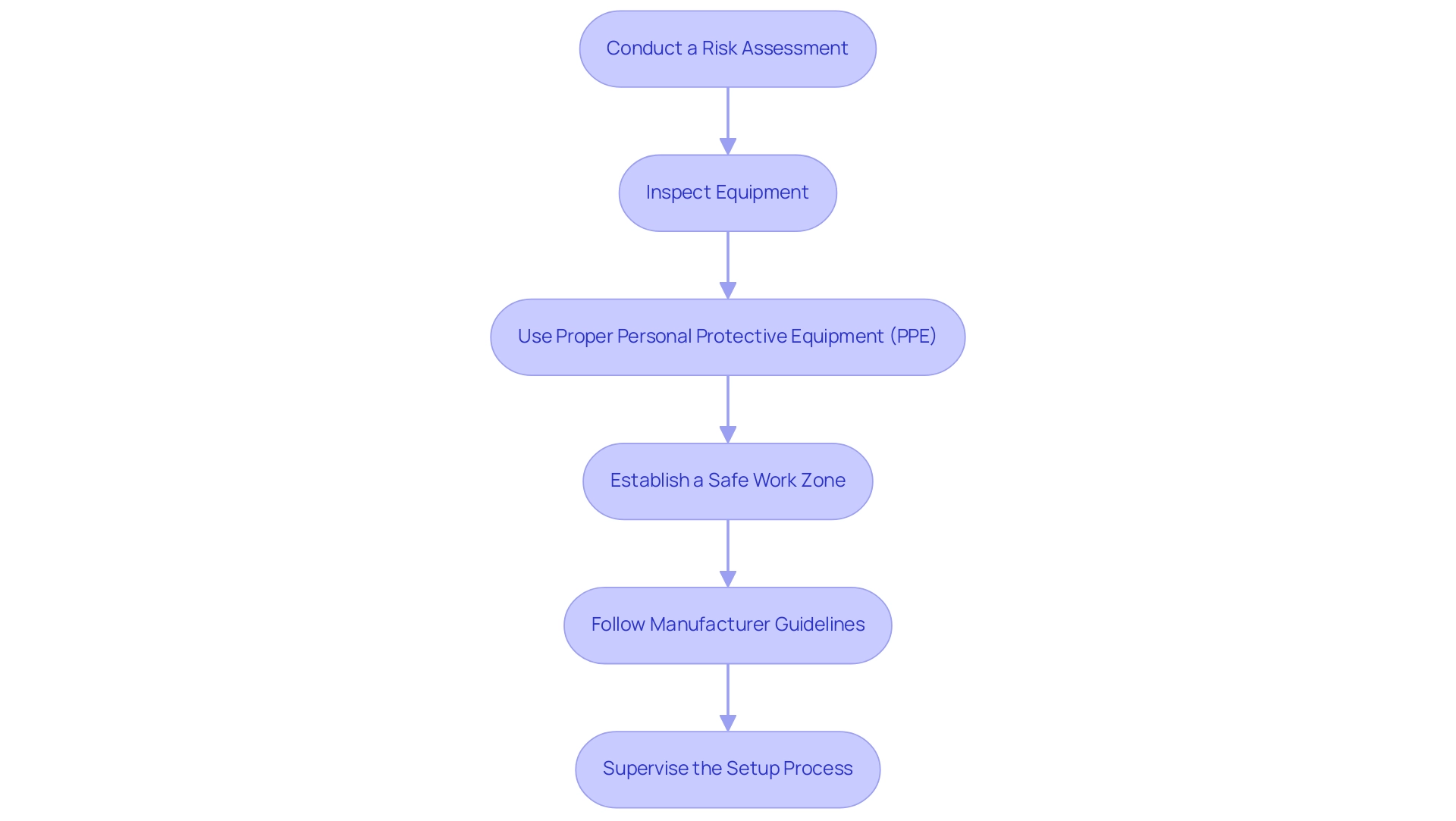
- Conduct a Risk Assessment: Before starting any structure setup, it is crucial to evaluate the work environment for potential hazards such as overhead power lines, uneven terrain, or nearby traffic. By identifying these risks early, you can develop a strategic plan to mitigate them effectively. Recent data indicates that over , which underscores the necessity for clear documentation and coordination among team members during this phase. As emphasized by Project.co, effective communication is essential in making sure that all team members are aware of the risks and protective practices involved in the project.
- Inspect Equipment: Thoroughly inspect all interior scaffolding components to ensure they are in optimal condition. Look for any signs of wear, rust, or damage that could jeopardize security. Using only equipment that meets established security standards is essential to prevent accidents. As emphasized in recent studies, a well-maintained interior scaffolding significantly reduces the likelihood of incidents on site. Considering the recent information on construction support practices for 2024, it is essential to remain informed about new regulations and standards that may affect equipment inspection procedures.
- Use Proper Personal Protective Equipment (PPE): It is imperative that all workers wear appropriate PPE, including hard hats, safety goggles, and non-slip footwear. This protective gear is critical for minimizing risks associated with falls and other injuries during the project.
- Establish a Safe Work Zone: Clearly delineate the area surrounding the structure to prevent unauthorized access. Employ cones, tape, or barriers to create a defined workspace that keeps pedestrians and other personnel at a safe distance. This practice is part of effective risk management strategies that contribute to overall site safety.
- Follow Manufacturer Guidelines: Adhering to the manufacturer’s instructions for equipment setup and load limits is non-negotiable. Adhering to these guidelines guarantees that the framework is used as intended and can safely bear the necessary weight, which is essential for avoiding structural failures.
- Supervise the Setup Process: Designate a qualified supervisor to oversee the framework setup. This individual should ensure that all protective practices are meticulously followed and that workers are adequately trained in proper procedures. Effective oversight not only improves safety but also promotes a culture of responsibility on the job site, which is crucial for reducing risks linked to construction operations.
Key Considerations for Interior Scaffolding: Guardrails and Stability
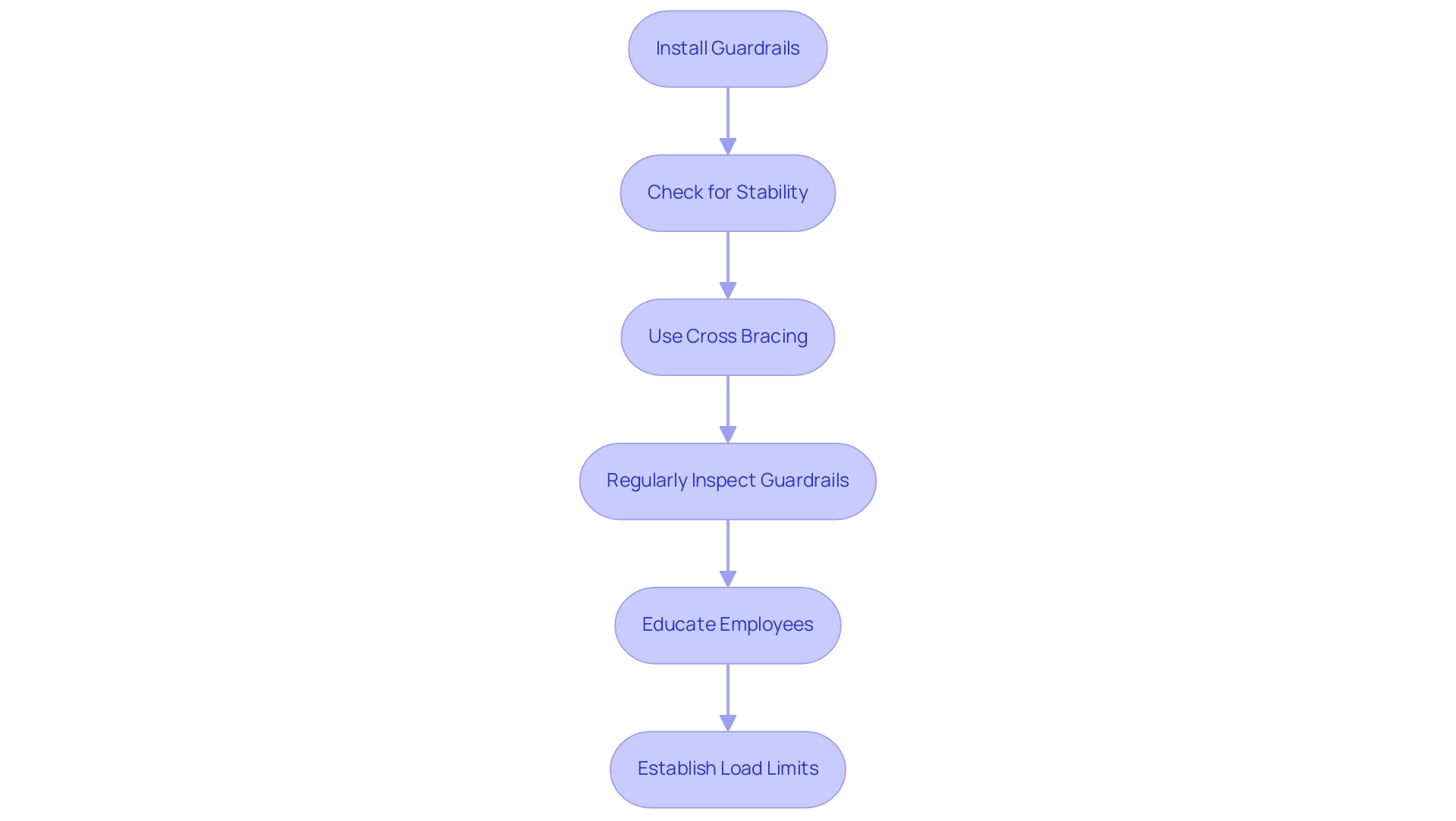
- Install Guardrails: Ensure that guardrails are installed on all open sides of the platform. Guardrails should be at a minimum height of 39 inches and designed to withstand a force of at least 200 pounds. As noted by industry experts, interior scaffolding, including guard rails and edge protection, are key fall protection features that not only help prevent accidents but also ensure regulatory compliance, ultimately saving you from potential legal repercussions.
- Check for Stability: Before allowing personnel on the platform, it is essential to confirm the structure's stability. Confirm that it is level and that base plates are securely anchored to prevent any tipping or shifting. Recent incidents emphasize that represent 3.5% of work-related injuries in the construction sector, making this step essential for protecting worker well-being.
- Use Cross Bracing: Implement cross bracing to enhance the structural integrity of the framework. This practice effectively mitigates lateral movement and bolsters overall support, significantly reducing the risk of instability.
- Regularly Inspect Guardrails: Conduct thorough inspections of the guardrails on a regular basis to ensure they are secure and in optimal condition. Any damaged components should be replaced promptly to maintain quality standards. Recent news highlights the importance of regular guardrail inspections as part of overall framework protection protocols.
- Educate Employees: Provide comprehensive training for all personnel regarding the importance of guardrails and stability measures. Training programs should combine both classroom teaching and practical activities, allowing employees to recognize and report any safety concerns related to structures effectively. Drawing from the case study titled "Training Programs for Scaffold Erectors and Dismantlers," effective training for interior scaffolding includes understanding scaffold hazards and correct procedures for assembly and disassembly, ensuring that workers are well-prepared.
- Establish Load Limits: Clearly define and communicate the load limits for the structure. Overloading can compromise stability significantly, which increases the risk of accidents. Establishing these limits and ensuring all team members understand them is crucial for maintaining a safe work environment. By adhering to these protocols, project managers can create a safer workplace and minimize the potential for stability failures.
Proper Assembly Techniques for Interior Scaffolding
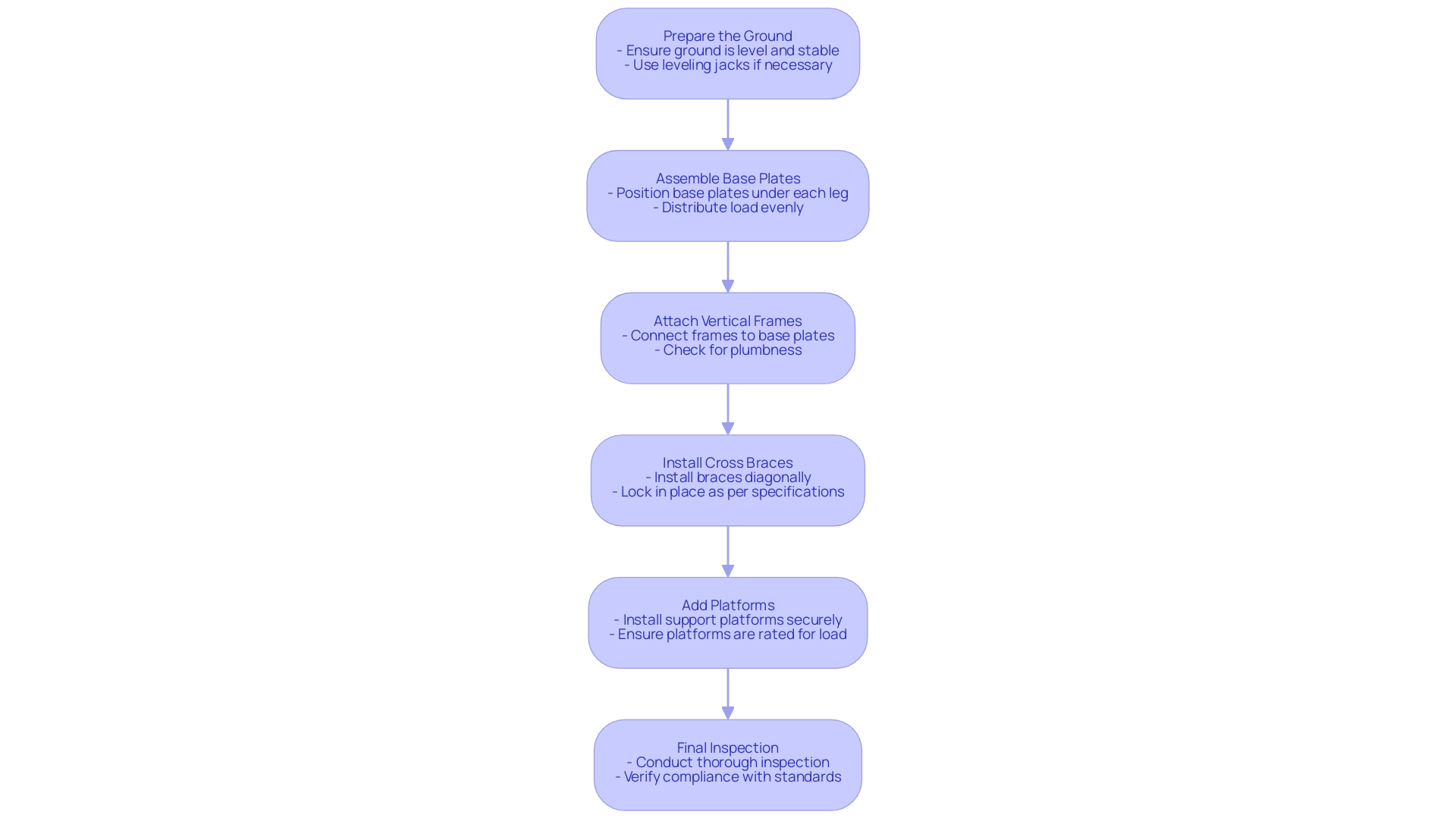
- Prepare the Ground: Begin by ensuring the ground where the structure will sit is both level and stable. If the surface is uneven, utilize leveling jacks to adjust the height of each support leg, which is crucial for maintaining vertical integrity and safety. As Jaimal Chohan advises, proper ground preparation is essential to avoid instability during assembly.
- Assemble Base Plates: Position base plates beneath each leg of the framework. This foundational step is vital as it distributes the load evenly, preventing tipping or shifting during use. Proper installation of base plates can significantly reduce the risk of common assembly mistakes. According to the case study titled "Small Test Cases for Scaffolding," ensuring a solid base can enhance the overall performance of the support structure.
- Attach Vertical Frames: Connect the vertical frames securely to the base plates. Use a level to check for plumbness; this ensures that the frames are vertically straight, which is crucial for stability during operations.
- Install Cross Braces: Install cross braces diagonally between the vertical frames. These braces are critical for enhancing the overall stability of the structure. Make sure they are locked in place according to the manufacturer's specifications to prevent movement.
- Add Platforms: Carefully install the support platforms, ensuring they are secure and evenly spaced. It's important to check that the platforms are rated for the intended load, as improper loading can lead to accidents. The case study emphasizes that proper load distribution is essential for ensuring security during use.
- Final Inspection: Before permitting any workers to access the platform, conduct a thorough final inspection. Verify that all components are firmly installed and that the structure complies with regulatory standards. This step is essential for ensuring a safe working environment, as even small oversights in assembly can lead to significant hazards. For project managers, considering , noted for their ease of use in installation, can streamline this inspection process and enhance overall efficiency.
Regular Maintenance and Inspection of Scaffolding
-
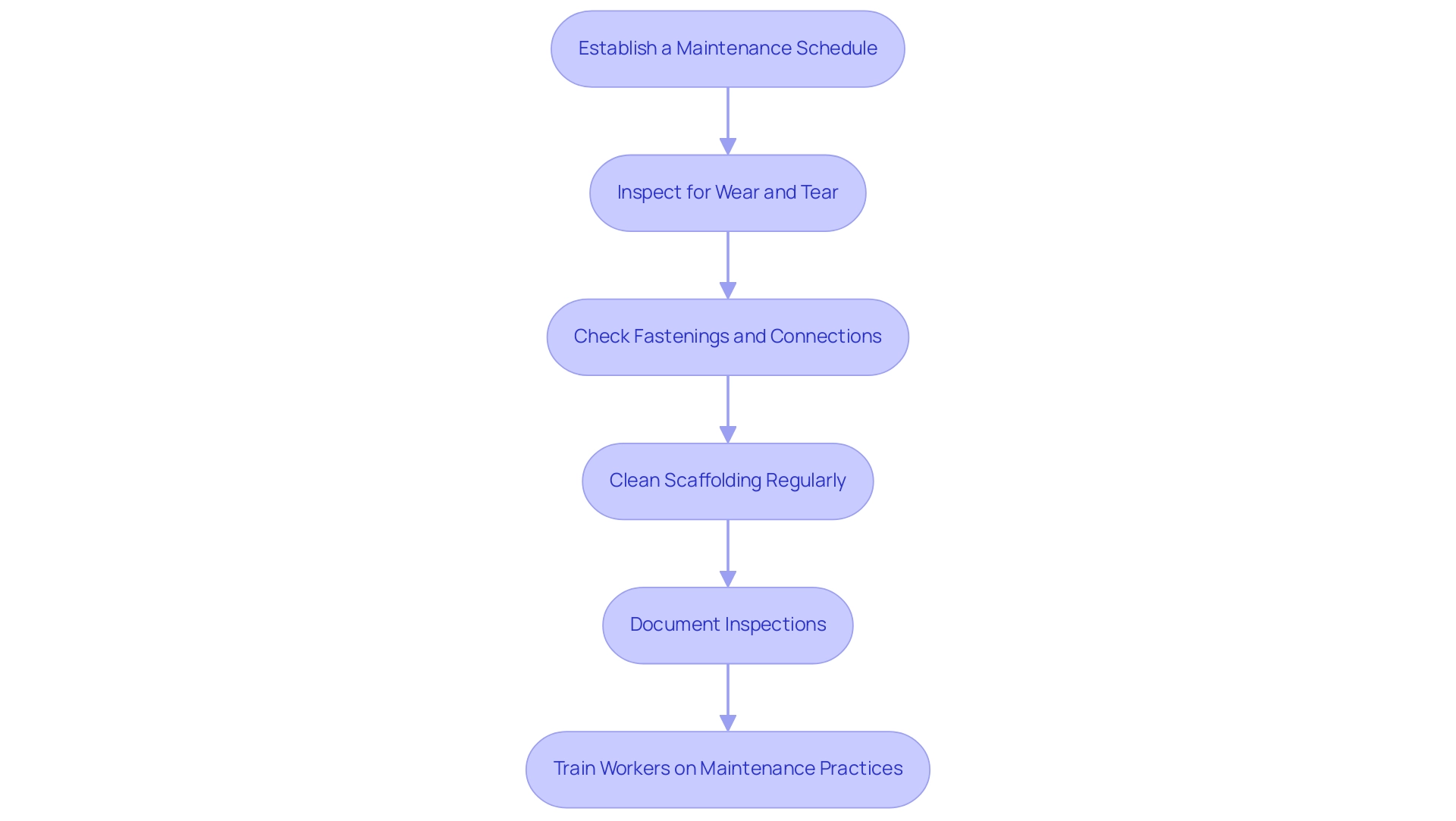
Establish a Maintenance Schedule: Implementing a regular maintenance schedule is essential for ensuring the safety and longevity of support equipment. This schedule should include daily inspections prior to use, alongside more comprehensive evaluations on a weekly or monthly basis. Such diligence can significantly reduce the risk of accidents. Significantly, a support crew took only one day to assemble and disassemble the structure without incident, highlighting the efficiency that can be achieved through proper maintenance practices.
Inspect for Wear and Tear: Vigilantly checking for signs of wear, including rust, cracks, or bent components, is crucial. Immediate replacement of any damaged parts is vital to prevent potential accidents that could arise from compromised equipment.
-
Check Fastenings and Connections: Confirm that all fastenings and connections are secure. Routine tightening of loose bolts or fittings is necessary to maintain the structure's structural integrity. Kevin Taylor recently emphasized the importance of effective communication and quick setups, highlighting that solid connections are foundational to safety.
-
Clean Scaffolding Regularly: Regular cleaning is crucial to maintaining a safe working environment. Clearing debris, dirt, and other substances from the structure helps prevent slips and falls. Ensuring that platforms remain free of obstructions is a key precaution.
Document Inspections: Keeping meticulous records of all inspections and maintenance performed is essential. This documentation not only monitors the condition of the scaffolding but also ensures adherence to regulatory standards. Significantly, Atlas Industrial has emphasized that differing workplace sizes and complexities can impact the duration and cost of inspections, making it crucial to customize maintenance schedules accordingly.
Train Workers on Maintenance Practices: Educating workers on the importance of regular maintenance and how to identify potential issues is critical. Involving them in the process promotes timely reporting of any issues, thereby improving overall security. As a testament to successful training, CORE’s nationwide consultants have become a reliable resource for companies like Hunt Construction Group, who depend on their expertise to address challenges in construction. Furthermore, their safety professionals really went to bat for clients when , emphasizing the critical role of safety in scaffolding practices.
Emergency Procedures and First Aid for Scaffolding Incidents
-
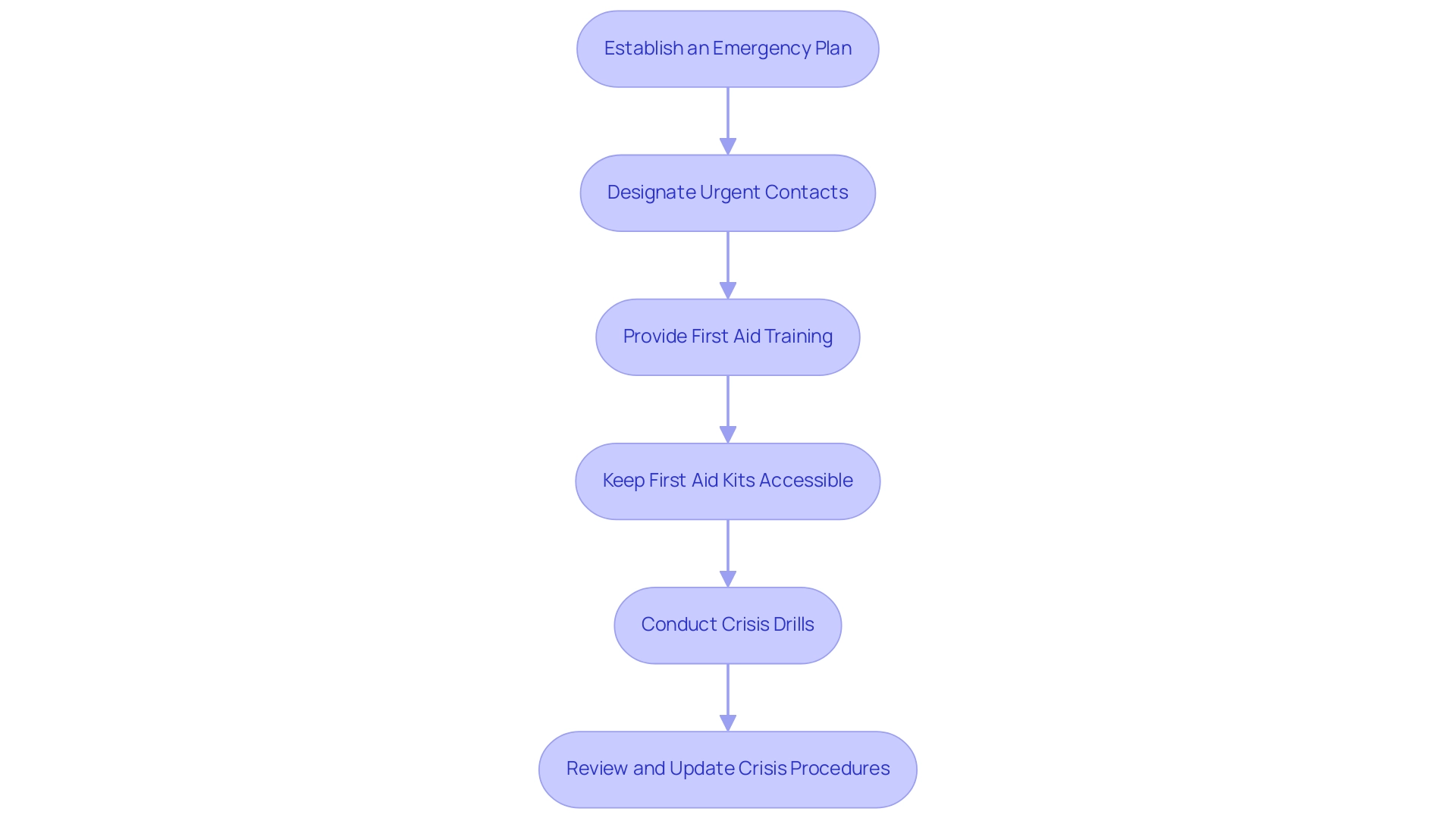
Establish an Emergency Plan: A well-structured emergency response plan is essential for addressing various scenarios that may arise on construction sites, such as falls, equipment failures, or medical emergencies. Employers should ensure that this plan is detailed and practical, allowing workers to quickly understand their roles during an incident. The importance of having such plans is underscored by the General Conference of the International Labor Organization, which has emphasized the need for comprehensive safety measures in construction since its Sixty-seventh Session in 1981.
-
Designate Urgent Contacts: Clearly identifying urgent contacts is crucial. This encompasses site supervisors and local crisis services. All employees must be instructed on how to reach these contacts quickly in case of a crisis. Having designated contacts not only streamlines the response process but also ensures that everyone knows who to turn to for assistance, enhancing overall safety.
-
Provide First Aid Training: Equipping workers with first aid training is imperative for a safe work environment. Designated individuals on-site should be trained in first aid and CPR, ensuring they can respond effectively to injuries. As Brooke Castillo, Director of Learning and Talent Development at Xylem, Inc., states,
Mental Health First Aid at Work training has become a staple at Xylem... giving them the confidence and courage to handle any related situations that could potentially arise in the workplace.
This emphasizes the necessity for extensive training that addresses both physical and mental health crises. The , which has trained over 4 million individuals in mental health first aid since 2008, serves as an important case study demonstrating the effectiveness of such training in various work environments, including construction. -
Keep First Aid Kits Accessible: First aid kits should be strategically placed throughout the worksite to ensure they are easily reachable in case of an urgent situation. Regularly checking the kits to restock supplies is also essential to maintain preparedness.
-
Conduct Crisis Drills: Regular crisis drills are essential for ensuring that all personnel are acquainted with the response procedures. These drills should simulate real-life scenarios, enabling individuals to practice their responses and identify any areas for improvement.
-
Review and Update Crisis Procedures: Continuously reviewing and updating the response plan is vital. Incorporating feedback from drills and any incidents that occur helps refine procedures and ensure they remain effective. With statistics indicating a rise in interior scaffolding incidents, implementing a strong response plan is no longer merely a best practice; it is essential for safeguarding workers and reducing risks. Employers must implement measures for emergencies and accidents, including first-aid arrangements, to ensure a safe working environment.
Conclusion
Establishing effective scaffolding safety practices is critical in safeguarding workers and ensuring the successful completion of construction projects. By conducting thorough risk assessments, inspecting equipment, and utilizing proper personal protective equipment, the foundation for a secure work environment is laid. Furthermore, implementing clear procedures for emergency response and regular maintenance checks significantly enhances overall safety and stability.
The significance of proper assembly techniques and adherence to manufacturer guidelines cannot be overstated. Each component—from installing guardrails to ensuring that platforms are securely in place—plays a vital role in preventing accidents and maintaining structural integrity. Regular training and education for workers are essential, enabling them to recognize hazards and follow protocols diligently.
As the construction industry continues to evolve, so too must the safety measures in place. By remaining vigilant and committed to best practices, employers can foster a culture of safety that not only protects workers but also enhances productivity. Ultimately, investing in scaffolding safety is an investment in the well-being of the workforce and the success of future projects.
Prioritizing these practices today will pave the way for a safer, more efficient tomorrow in the construction field.
Frequently Asked Questions
What is the first step in setting up a scaffolding structure?
The first step is to conduct a risk assessment to evaluate the work environment for potential hazards, such as overhead power lines, uneven terrain, or nearby traffic. Identifying these risks early allows for the development of a strategic plan to mitigate them effectively.
Why is inspecting equipment important before scaffolding setup?
Inspecting equipment is crucial to ensure all interior scaffolding components are in optimal condition. This helps identify any signs of wear, rust, or damage that could jeopardize safety. Using well-maintained equipment significantly reduces the likelihood of incidents on site.
What personal protective equipment (PPE) should workers wear during scaffolding projects?
Workers should wear appropriate PPE, including hard hats, safety goggles, and non-slip footwear, to minimize risks associated with falls and other injuries during the project.
How can a safe work zone be established around a scaffolding structure?
A safe work zone can be established by clearly delineating the area surrounding the structure using cones, tape, or barriers to prevent unauthorized access and keep pedestrians and other personnel at a safe distance.
Why is it necessary to follow manufacturer guidelines during scaffolding setup?
Following manufacturer guidelines for equipment setup and load limits is essential to ensure that the scaffolding framework is used as intended and can safely bear the necessary weight, which helps avoid structural failures.
What role does supervision play in the scaffolding setup process?
Designating a qualified supervisor to oversee the setup process ensures that all protective practices are followed and that workers are adequately trained in proper procedures, promoting a culture of responsibility and improving safety.
What are the requirements for installing guardrails on scaffolding?
Guardrails should be installed on all open sides of the platform at a minimum height of 39 inches and designed to withstand a force of at least 200 pounds to help prevent falls and ensure regulatory compliance.
How can the stability of the scaffolding structure be checked?
Before allowing personnel on the platform, it is essential to confirm the structure's stability by ensuring it is level and that base plates are securely anchored to prevent tipping or shifting.
What is the purpose of cross bracing in scaffolding?
Cross bracing is implemented to enhance the structural integrity of the framework, mitigating lateral movement and bolstering overall support, which significantly reduces the risk of instability.
Why is it important to regularly inspect guardrails?
Regular inspections of guardrails ensure they are secure and in optimal condition. Any damaged components should be replaced promptly to maintain safety standards.
What training should be provided to employees regarding scaffolding safety?
Employees should receive comprehensive training on the importance of guardrails, stability measures, and the correct procedures for assembly and disassembly to ensure they can recognize and report safety concerns effectively.
How should load limits for scaffolding structures be established?
Load limits should be clearly defined and communicated to all team members to prevent overloading, which can significantly compromise stability and increase the risk of accidents.
What is involved in establishing a maintenance schedule for scaffolding?
A maintenance schedule should include daily inspections prior to use and comprehensive evaluations on a weekly or monthly basis to ensure safety and longevity of the equipment.
Why is it important to document inspections and maintenance practices?
Keeping meticulous records of all inspections and maintenance performed is essential for monitoring the condition of the scaffolding and ensuring adherence to regulatory standards.
What should be included in an emergency response plan for construction sites?
An emergency response plan should detail procedures for various scenarios, designate urgent contacts, provide first aid training, ensure accessibility of first aid kits, conduct crisis drills, and regularly review and update procedures.
List of Sources
- Essential Safety Practices for Scaffolding Setup
- Health and safety statistics - HSE (https://hse.gov.uk/statistics)
- Project Management Statistics 2024: Everything You Need to Know (https://project.co/project-management-statistics)
- Key Considerations for Interior Scaffolding: Guardrails and Stability
- hanover.com (https://hanover.com/businesses/business-customer-resources/hanover-risk-solutions/scaffolds)
- skelscaff.com.au (https://skelscaff.com.au/a-guide-to-scaffolding-rails-edge-protection)
- Proper Assembly Techniques for Interior Scaffolding
- genomebiology.biomedcentral.com (https://genomebiology.biomedcentral.com/articles/10.1186/gb-2014-15-3-r42)
- stackoverflow.com (https://stackoverflow.com/questions/3745612/infamous-assembly-binding-error)
- Regular Maintenance and Inspection of Scaffolding
- scaffoldingsolutions.com (https://scaffoldingsolutions.com/contact/chesapeake-va)
- coresafety.com (https://coresafety.com/safety-consulting/safety-inspections-and-auditing)
- Emergency Procedures and First Aid for Scaffolding Incidents
- mentalhealthfirstaid.org (https://mentalhealthfirstaid.org/population-focused-modules/workplace)
- normlex.ilo.org (https://normlex.ilo.org/dyn/normlex/en/f?p=NORMLEXPUB:12100:0::NO::P12100_ILO_CODE:C155)


